





South Africa is the kind of country where you can spend one morning standing above a canyon, the next walking through an ancient forest and, a few days later, swimming over a coral reef. Its landscapes are not only beautiful but also, tell some of the oldest stories on Earth.
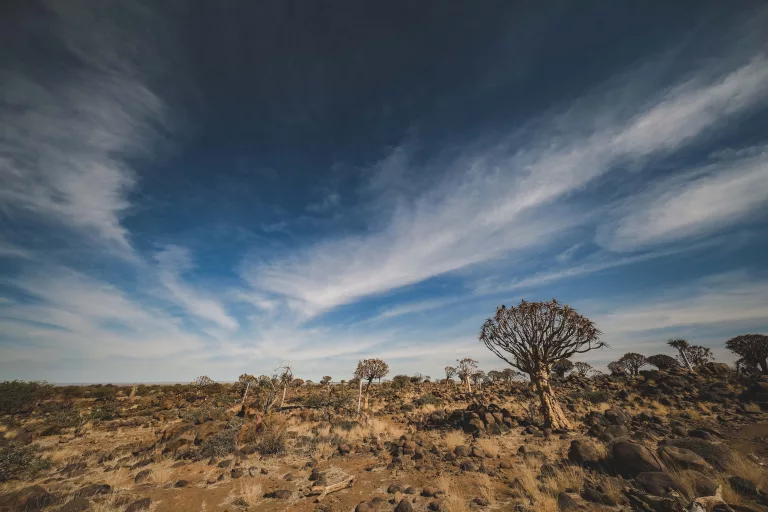
Image by Francesco Ungaro / Pexels
From mountains shaped billions of years ago to wetlands where whales, turtles and hippos share the same coastline, these are some of South Africa’s most remarkable natural wonders.
Table Mountain, Western Cape
It is difficult to imagine Cape Town without Table Mountain. Rising above the city and Cape Peninsula, the flat-topped mountain is far more than a famous backdrop. It forms part of the Cape Floral Region Protected Areas, a UNESCO World Heritage Site recognised for its extraordinary concentration of plant diversity and endemic species.
The mountain has been part of the human landscape for thousands of years. Archaeological evidence points to human presence as far back as 30 000 years, while the Khoi name Hoerikwaggo translates as ‘Mountain in the Sea’. Table Mountain was declared a national monument in 1958 and a nature reserve in 1964, before the Cape Peninsula National Park was proclaimed in 1998. It was renamed Table Mountain National Park in 2003.
Why visit: Hike the mountain, explore the fynbos, take in views from the summit or head further south through the national park towards Cape Point. The park also offers cycling, rock climbing, paragliding, birding, snorkelling and whale watching.
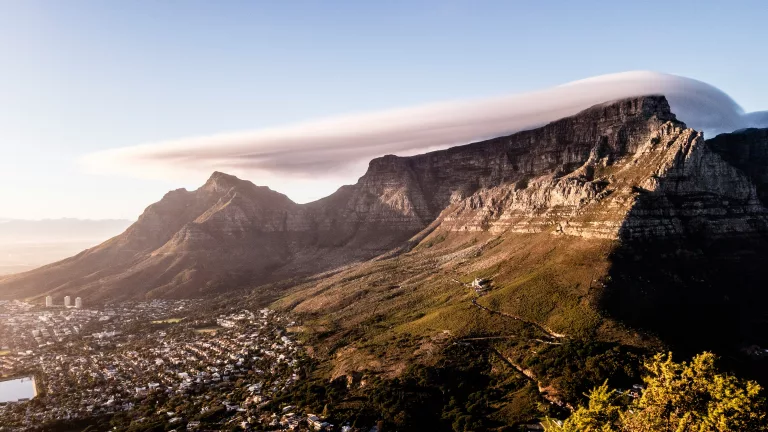
Image by Jack Prommel / Unsplash
Blyde River Canyon, Mpumalanga
The Blyde River Canyon is one of those landscapes that makes you stop talking for a minute. Carved into the northern Drakensberg escarpment, the canyon stretches across a dramatic landscape of cliffs, forested slopes and the Blyde Dam.
The Blyde River Canyon Nature Reserve forms part of the Panorama Route and covers about 29 000 hectares. South African Tourism describes it as the third-largest canyon in the world, while its combination of lush vegetation and exposed red sandstone makes it one of the country’s most distinctive geological landscapes.
The wider Panorama Route also connects several of Mpumalanga’s best-known viewpoints and geological attractions, including God’s Window, Bourke’s Luck Potholes and the Three Rondavels.
Why visit: Take the scenic route slowly. Stop at the viewpoints, explore the geological formations and, where trails are open, hike into the reserve. The landscape is particularly rewarding for photographers, especially when mist settles over the escarpment.
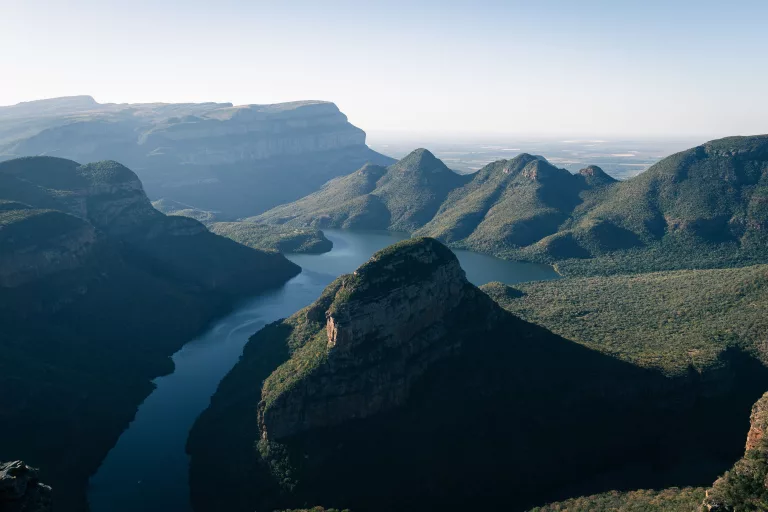
Image by Simone Rignanese / Pexels
iSimangaliso Wetland Park, KwaZulu-Natal
Few places demonstrate South Africa’s ecological diversity quite like iSimangaliso. Stretching along the KwaZulu-Natal coast, the World Heritage Site brings together beaches, coral reefs, coastal dunes, freshwater lakes, wetlands, mangroves, seagrass beds and savannah.
The park was inscribed as a UNESCO World Heritage Site in 1999 and, in 2025, its World Heritage boundaries were significantly expanded as part of the transboundary iSimangaliso Wetland Park–Maputo National Park property.
Its importance is not only scenic. More than 6 500 plant and animal species have been recorded in iSimangaliso, including nesting loggerhead and leatherback turtles, dolphins, migrating whales and whale sharks.
Why visit: This is a destination for seeing several ecosystems in one trip. Go on a game drive, explore the wetlands, spend time around Lake St Lucia or head towards the coast for marine activities. Depending on the season and location, you may encounter hippos, crocodiles, turtles, whales and an extraordinary variety of birdlife.
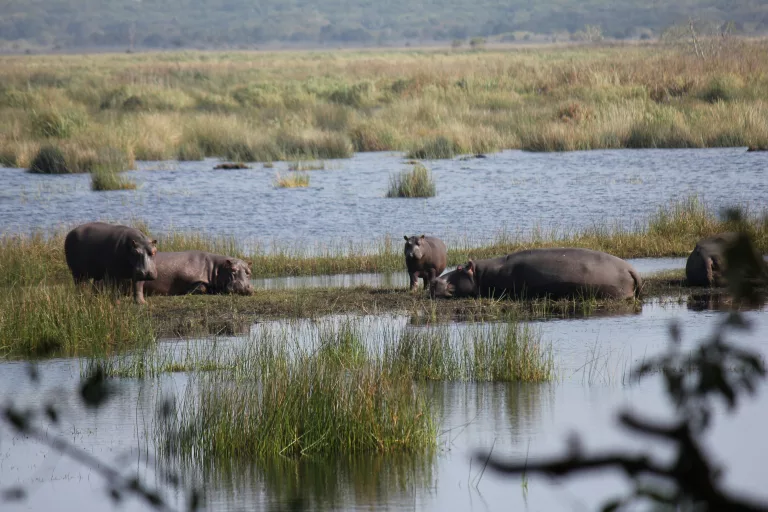
Image by Martie Bloem / Unsplash
Maloti-Drakensberg Park, KwaZulu-Natal
The Drakensberg is dramatic on a scale that is difficult to appreciate from photographs. Its basalt cliffs, golden sandstone formations, high-altitude grasslands and deep river valleys form part of the transnational Maloti-Drakensberg Park World Heritage Site, which extends into Lesotho.
But the mountains hold another layer of history. San communities lived here for more than 4 000 years, leaving behind thousands of rock-art images in caves and rock shelters. UNESCO identifies the area as containing the largest and most concentrated group of rock paintings in Africa south of the Sahara.
The mountains are also important for biodiversity, with numerous endemic plant species and threatened birds including the Cape vulture and bearded vulture.
Why visit: Lace up your hiking boots. The Drakensberg is best experienced on foot, whether you are after a short mountain walk, a multi-day hike or a guided visit to rock-art sites. Give yourself time to simply sit and look, too. The scale of the landscape is part of the experience.
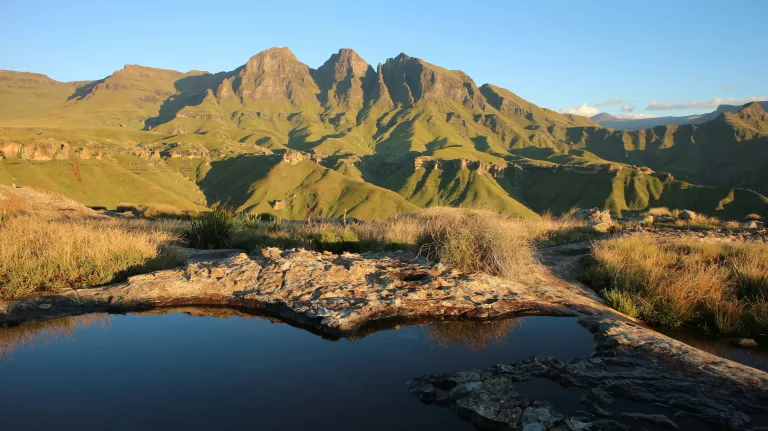
Image by Arthur Hickinbotham / Unsplash
Augrabies Falls, Northern Cape
In the dry landscape of the Northern Cape, the Orange River suddenly drops into a granite gorge at Augrabies Falls. The main waterfall plunges 56 metres into the gorge, while the surrounding national park protects a striking landscape of granite formations, desert vegetation and quiver trees.
The park was proclaimed in 1966, originally to conserve the geological landscape around the falls. The name Augrabies comes from the Nama word ‘Aukoerebis’, meaning ‘place of great noise’, an appropriate description when the Orange River is flowing strongly.
There is also a difficult history attached to the surrounding landscape. In 1973, communities living in Riemvasmaak were forcibly removed under apartheid, with parts of the area later incorporated into the national park.
Why visit: Start at the waterfall viewpoints, then explore further into the park. Scenic drives lead to places such as Moon Rock and Ararat, while hiking options include shorter walks and the multi-day Klipspringer Trail. Stargazing is another reason to stay overnight, thanks to the area’s clear skies and limited light pollution.
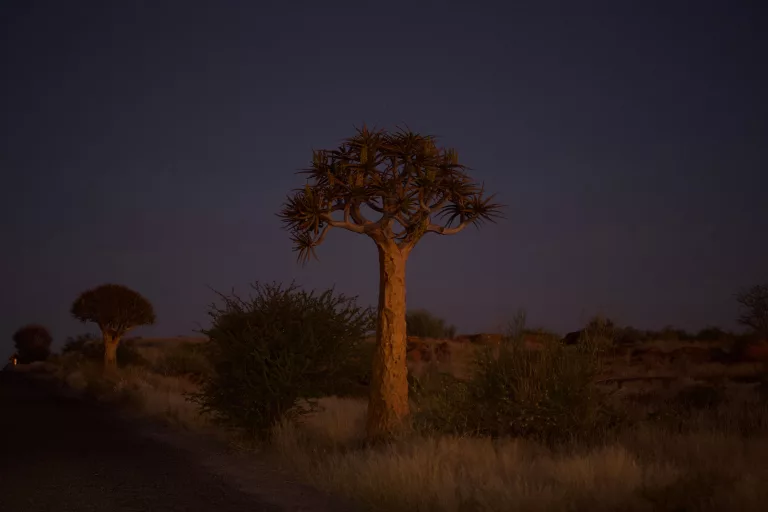
Image by Ryan Lansdown / Pexels
Tsitsikamma, Eastern Cape
Where indigenous forest meets rugged coastline, Tsitsikamma feels almost prehistoric. The name comes from the Khoisan word meaning ‘place of much water’, and the landscape lives up to it, with forests, fynbos, deep river gorges and an exposed coastline.
Tsitsikamma Coastal and Forest National Parks were proclaimed in 1964, creating what SANParks describes as Africa’s first marine national park. Today the Tsitsikamma section forms part of the Garden Route National Park and protects around 80km of rocky coastline as well as important marine and forest habitats.
The area also carries a deep human history, with Khoisan cultural sites, caves, shell middens, rock art and later evidence of the forestry and fishing industries.
Why visit: Walk the famous Mouth Trail to the Storms River suspension bridge, take a boat trip into the gorge or tackle the 42km, five-day Otter Trail along the coast. Kayaking, liloing, snorkelling and other water-based adventures are also available.
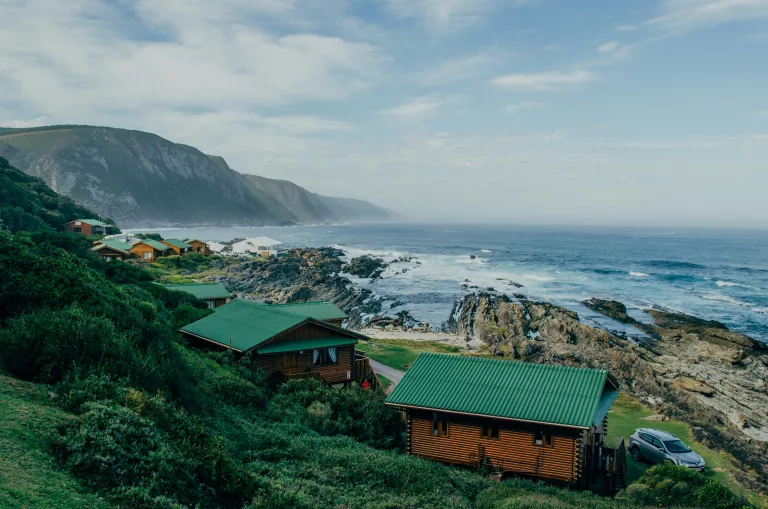
Image by Mateus Maia / Unsplash
Barberton Makhonjwa Mountains, Mpumalanga
Some natural wonders are impressive because of what you can see. Others are impressive because of what they tell us. The Barberton Makhonjwa Mountains belong firmly in the second category.
The mountains contain some of the oldest and best-preserved volcanic and sedimentary rocks on Earth, dating back between 3.6 and 3.25 billion years. The rocks provide evidence of early conditions on Earth, including ancient oceans, volcanism, meteorite impacts and the processes involved in the formation of continents.
The site was added to the UNESCO World Heritage List in 2018. Its geological record spans roughly 340 million years of the early Earth’s history, giving visitors a glimpse into a time long before dinosaurs, forests or even complex life existed.
Why visit: Follow the Barberton Makhonjwa Geotrail through the mountains, stopping at geological viewpoints along the way. It is a particularly good destination for anyone who likes their landscapes with a little more context. Here, the rocks beneath your feet are the story.
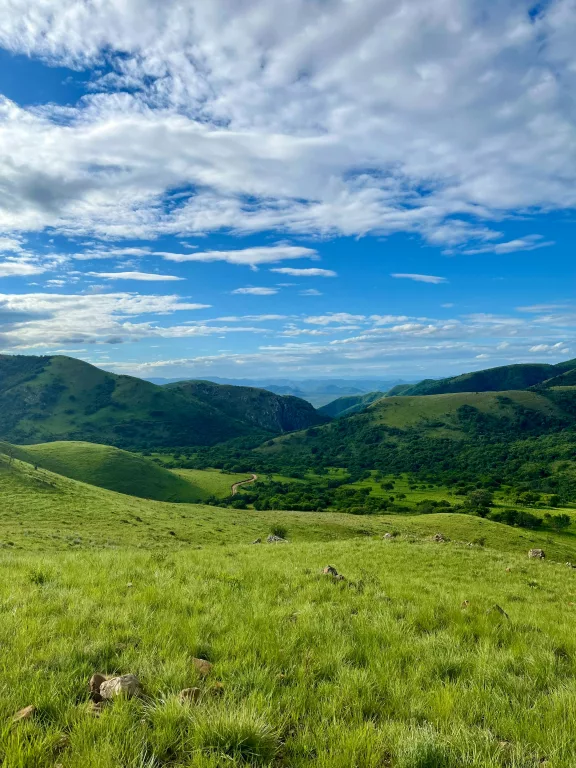
Image by Vian de Blanche’/ Unsplash
Vredefort Dome, Free State and North West
South Africa’s natural history gets even bigger at Vredefort Dome, where a meteorite impact more than two billion years ago left behind the world’s oldest, largest and most deeply eroded known complex meteorite impact structure.
The impact occurred about 2 023 million years ago. The resulting structure originally stretched much further than the landscape visible today, but erosion over billions of years has exposed geological layers beneath the original crater. UNESCO describes Vredefort as the only known example providing a full geological profile of an astrobleme below the crater floor.
Why visit: The Vredefort area is best explored at a slower pace, with geological sites, scenic drives, outdoor activities and the surrounding Vaal River landscape providing plenty to do. It is less about finding one dramatic viewpoint and more about understanding the extraordinary scale of what happened here.
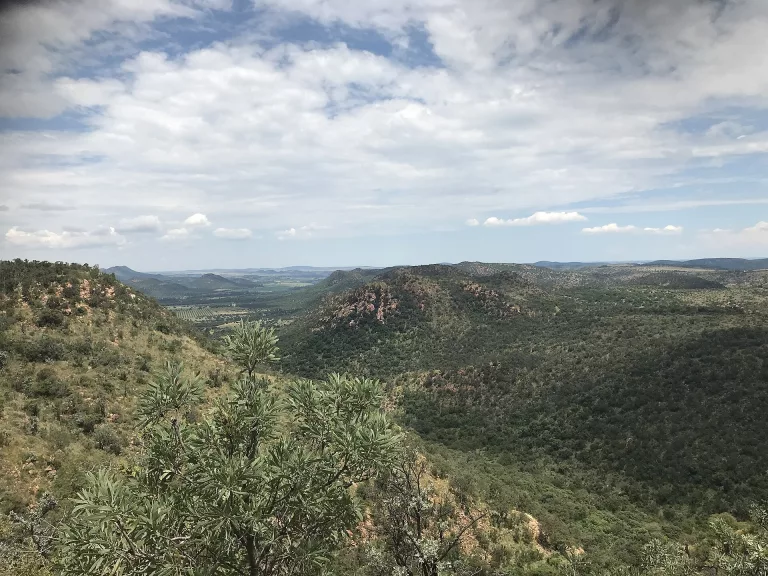
Image by Phillip778899 / Unsplash
A country written in landscapes
The best thing about South Africa’s natural wonders is that there is no single definition of what makes a place extraordinary. A mountain can be remarkable because it supports an entire floral kingdom. A wetland can be valuable because whales, turtles, birds and freshwater ecosystems coexist. A waterfall can carry geological and cultural history, while an ordinary-looking stretch of rock can preserve evidence from billions of years ago.
That is what makes travelling through South Africa so rewarding. Look beyond the photograph and there is usually a much bigger story waiting underneath it.
Follow us on social media for more travel news, inspiration, and guides. You can also tag us to be featured.
Instagram | Facebook | Twitter | Spotify
ALSO READ:
The post South Africa’s natural wonders, from ancient mountains to wild coastlines appeared first on Getaway Magazine.